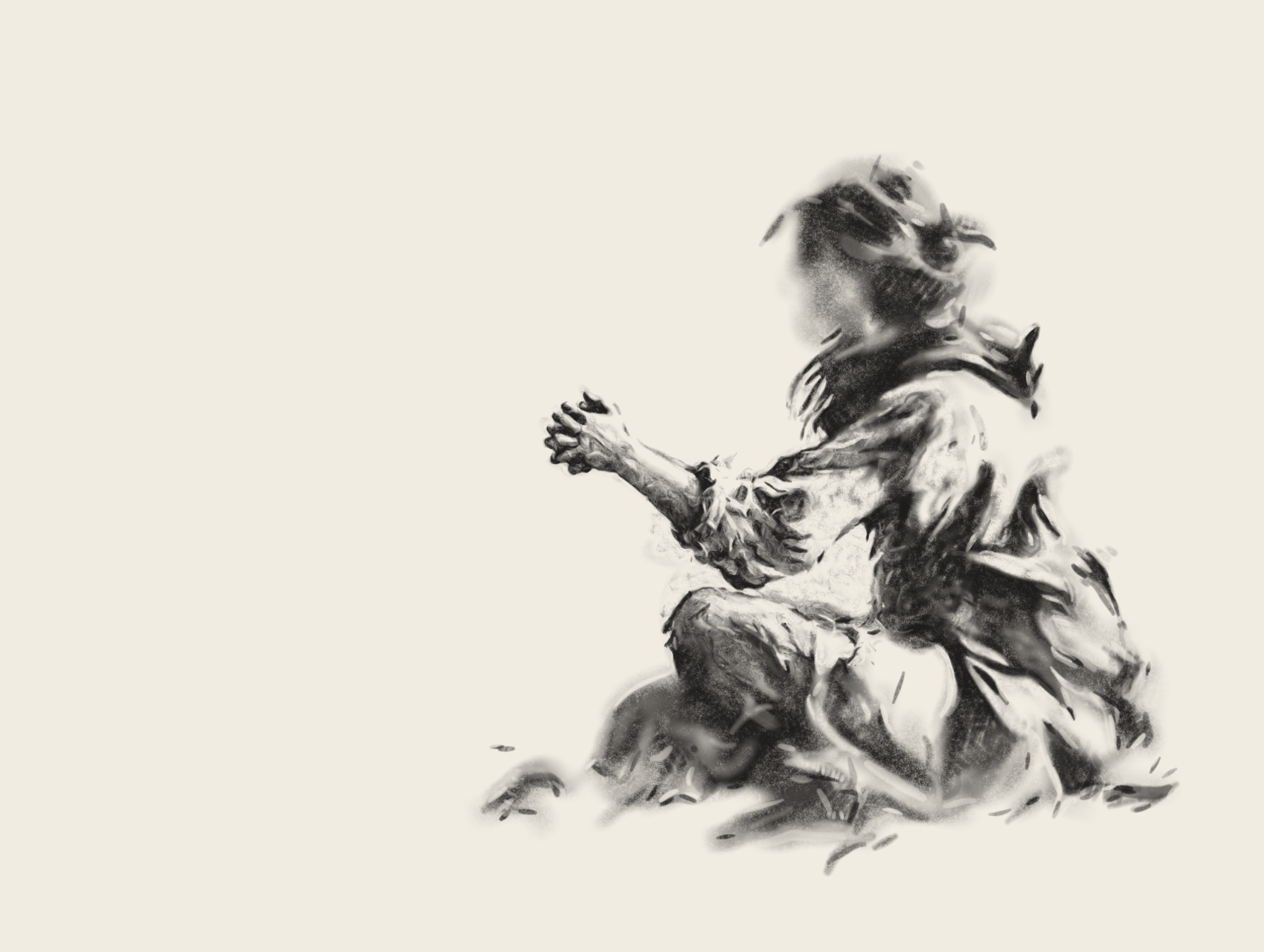
Visual stages, comparisons and decisions from the original run. Internal prompts, operating documents and downloadable implementation files are omitted. Some interactive comparisons are shown as separate images.
New: two omission studies and the retention decision →
Permission to remove.
A recorded digital eraser, with irregular release regions and overriding keep regions. The earlier native mark history remains intact. No generated image was used for this pass.
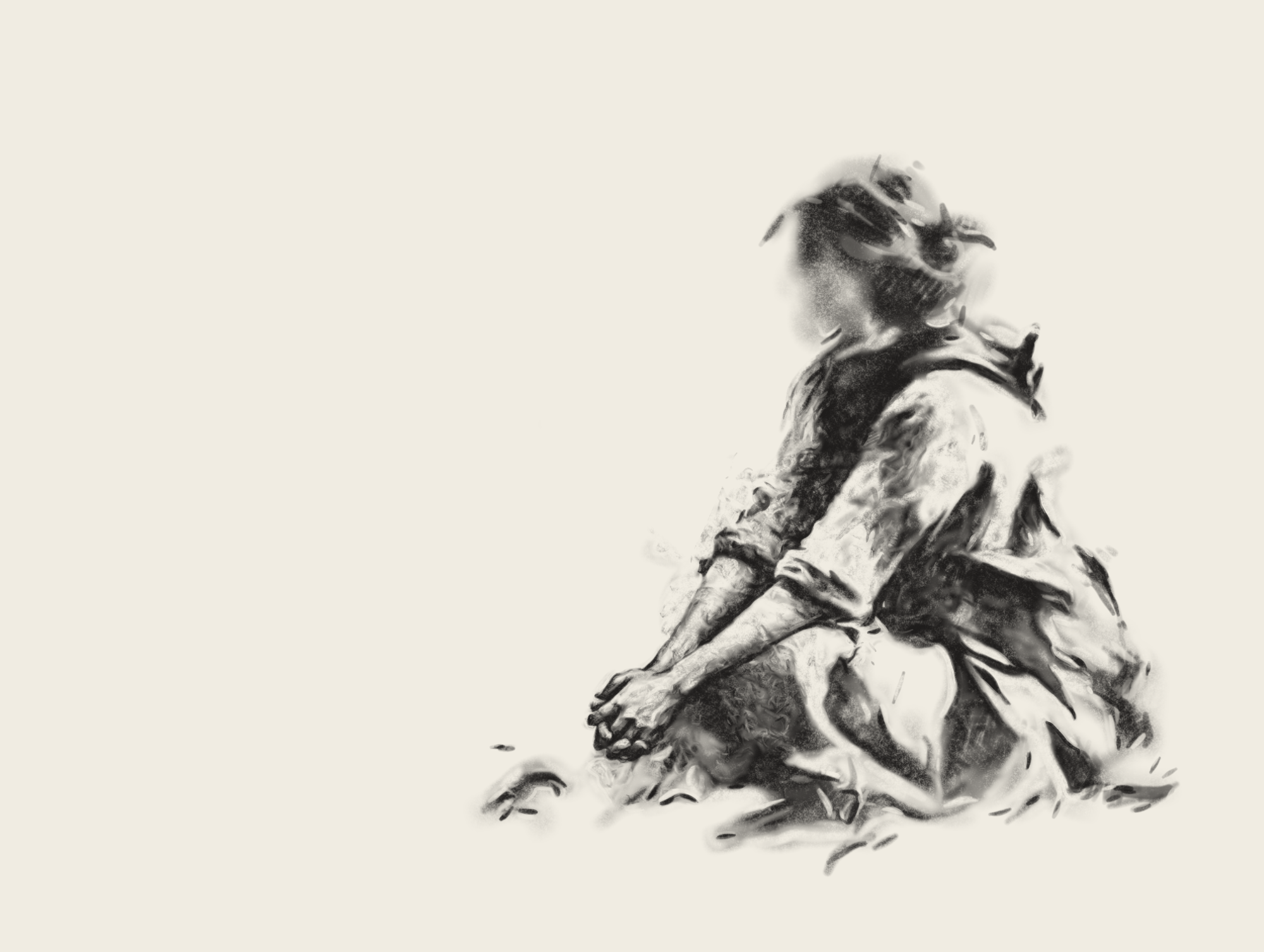
Before and after
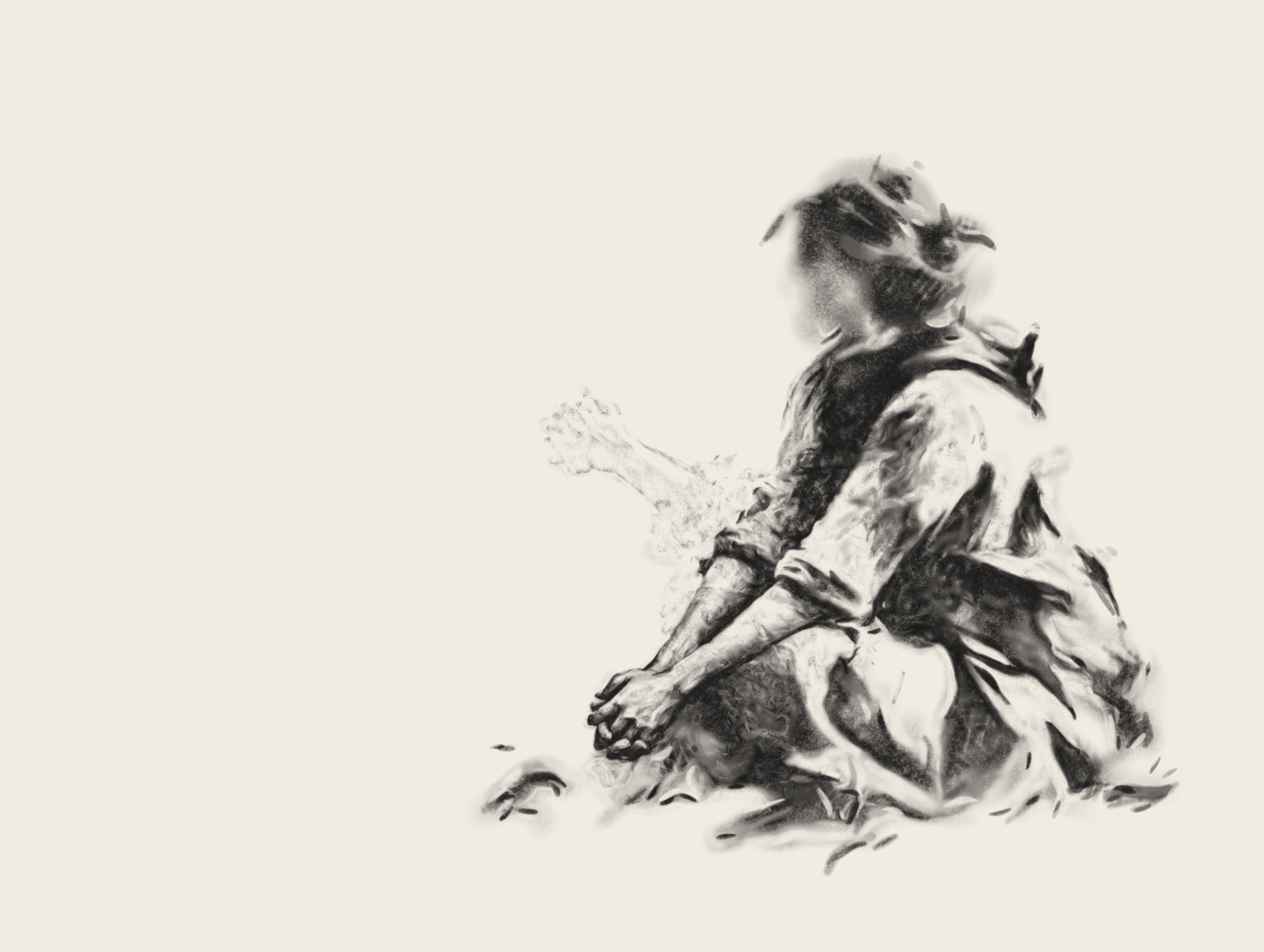
Process and method
- Load the exact 8,212-command native checkpoint and verify its hash.
- The assistant draws an irregular release polygon around the obsolete gesture, plus a keep polygon covering the descending arms. Keep always takes precedence.
- Apply a recorded digital operation. Strength 0.25 lifts lightly; 0.70 partially removes; 1.0 returns the interior to the canvas paper value. A feathered inner boundary eases the transition.
- Compare every pixel outside the release region and inside the keep region. Both must remain unchanged.
- Replay the operation from the saved source and compare the resulting canvas hash. Then inspect the actual drawing for damage and artistic consequence.
This is explicit digital erasure, not a physical charcoal simulation or a new Hands brush. It restores a scalar paper value, not lost paper texture. Region selection is still manual. The operation is stored separately from the original mark list, with the source and result hashes.
Calibration
A synthetic sheet contains a diagonal line, a crossing vertical line and a dark mass. The vertical strip is protected. These fixtures test tonal removal and preservation; they do not establish performance on all drawing situations.
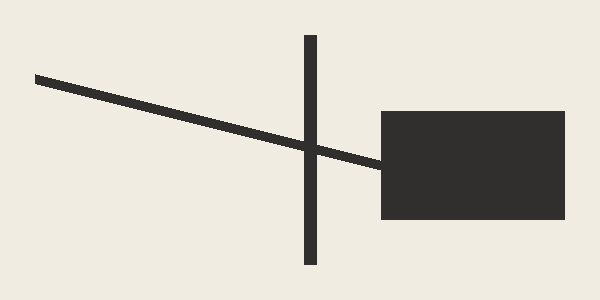
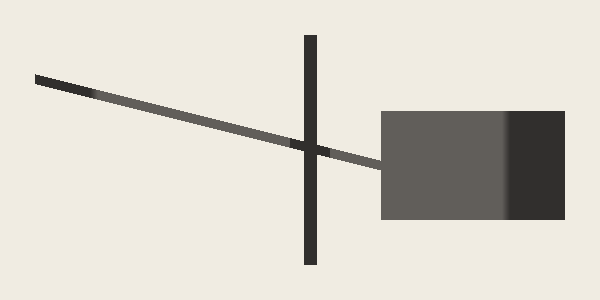
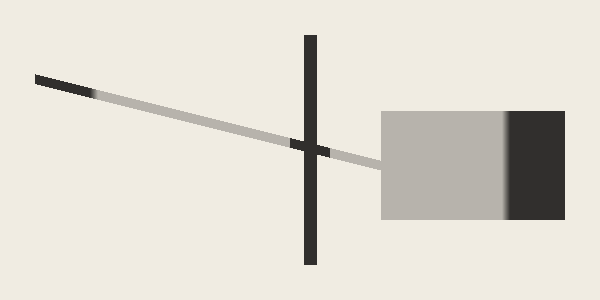
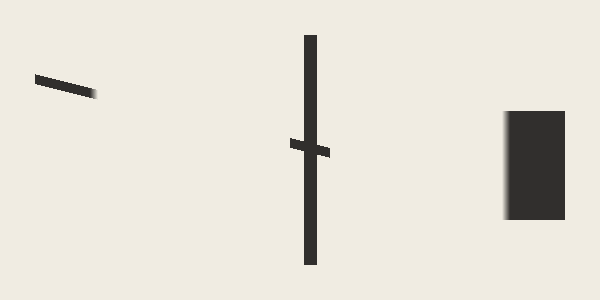
Unit tests passed for keep precedence, unchanged exterior, complete and partial removal, feathering, exact replay and invalid-input rejection. On the drawing, 33,061 pixels changed; zero kept pixels and zero exterior pixels changed. · .
Visual judgment
The lowered gesture now reads without the distracting extra arm. I prefer its downward weight to the raised version's offering gesture. The hand remains over-articulated beside the broader drawing, and the sleeve still carries too much descriptive activity. This is a clearer working direction, not completion.
The first removal boundary made a straight cut into the retained sleeve. It was rejected, archived, and replaced with a larger keep region. Rejected boundary result. The retained result leaves some elbow residue to avoid further damage. That residue is a current limitation, not retroactively declared intentional.
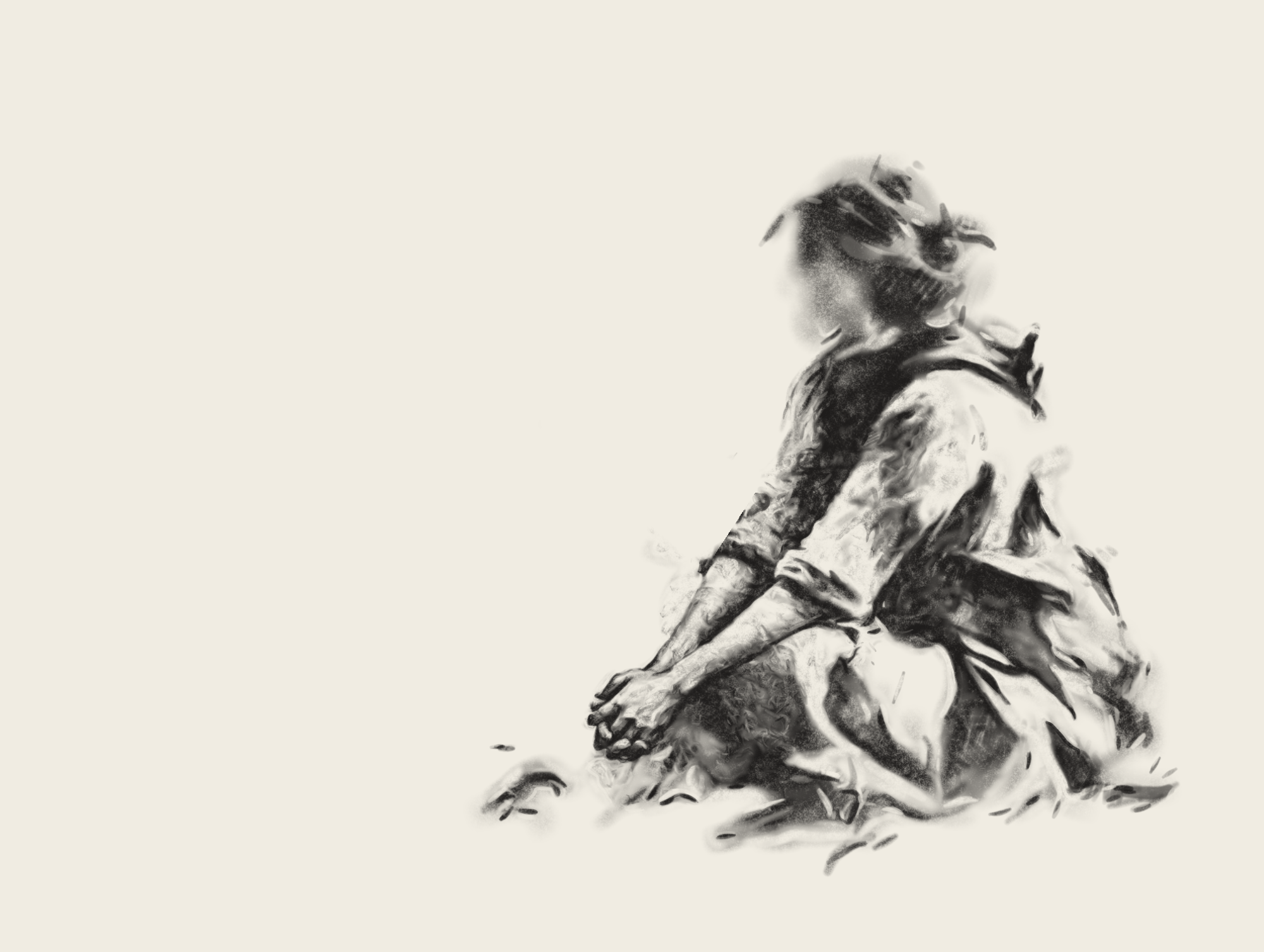
Next artistic question: can the hands carry the drawing while the sleeves and torso yield more space? That requires deciding what to omit, rather than adding more detail.