Visual stages, comparisons and decisions from the original run. Internal prompts, operating documents and downloadable implementation files are omitted. Some interactive comparisons are shown as separate images.
VTL STUDIO / LOCAL MODEL COMPARISON / 07 OCT 2026
The coordinates now
come from the image.
Learned pose inference → editable joints → constrained arm revision → native marks. Seven drawings, two nonfigure controls, three model configurations and preserved failures.
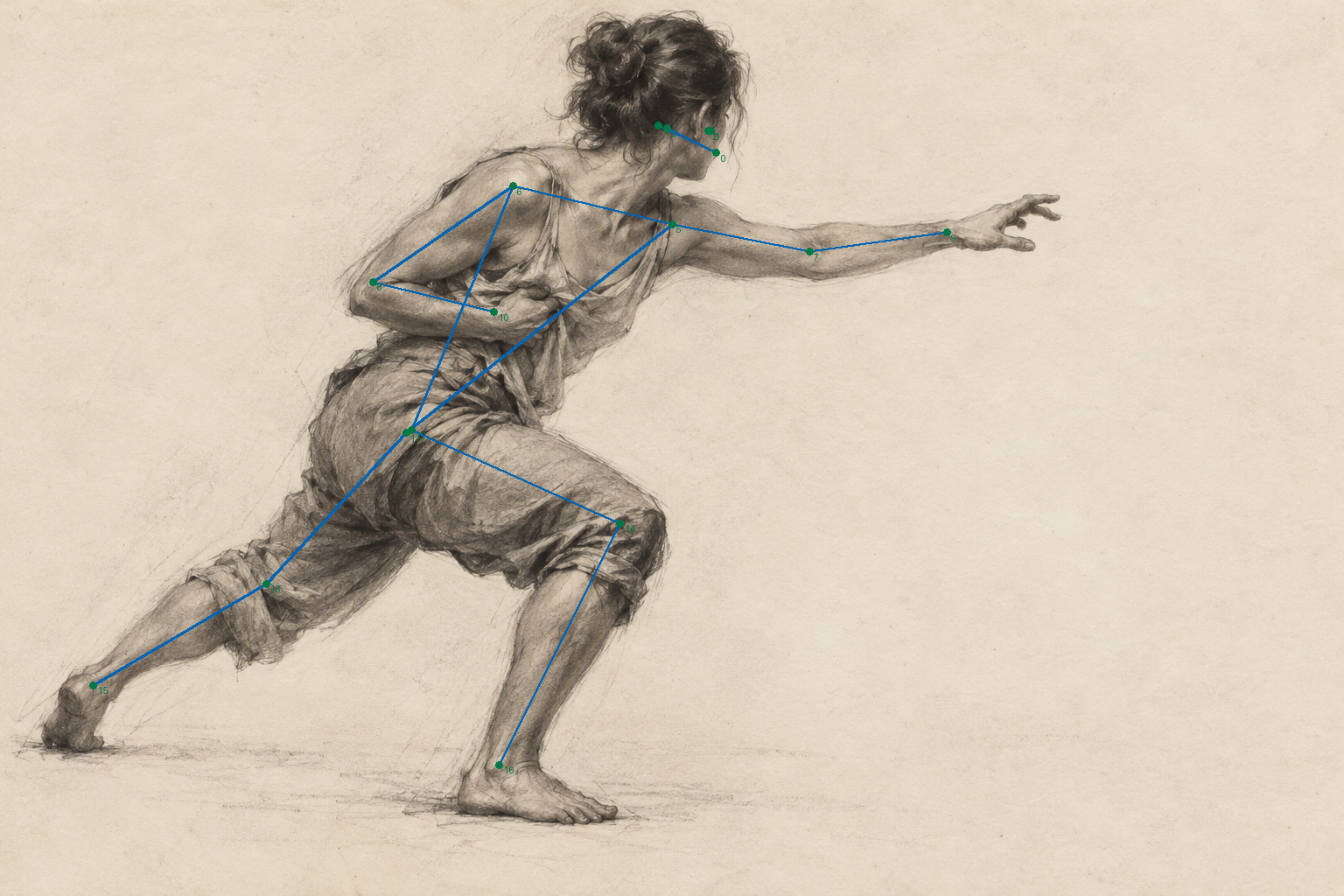
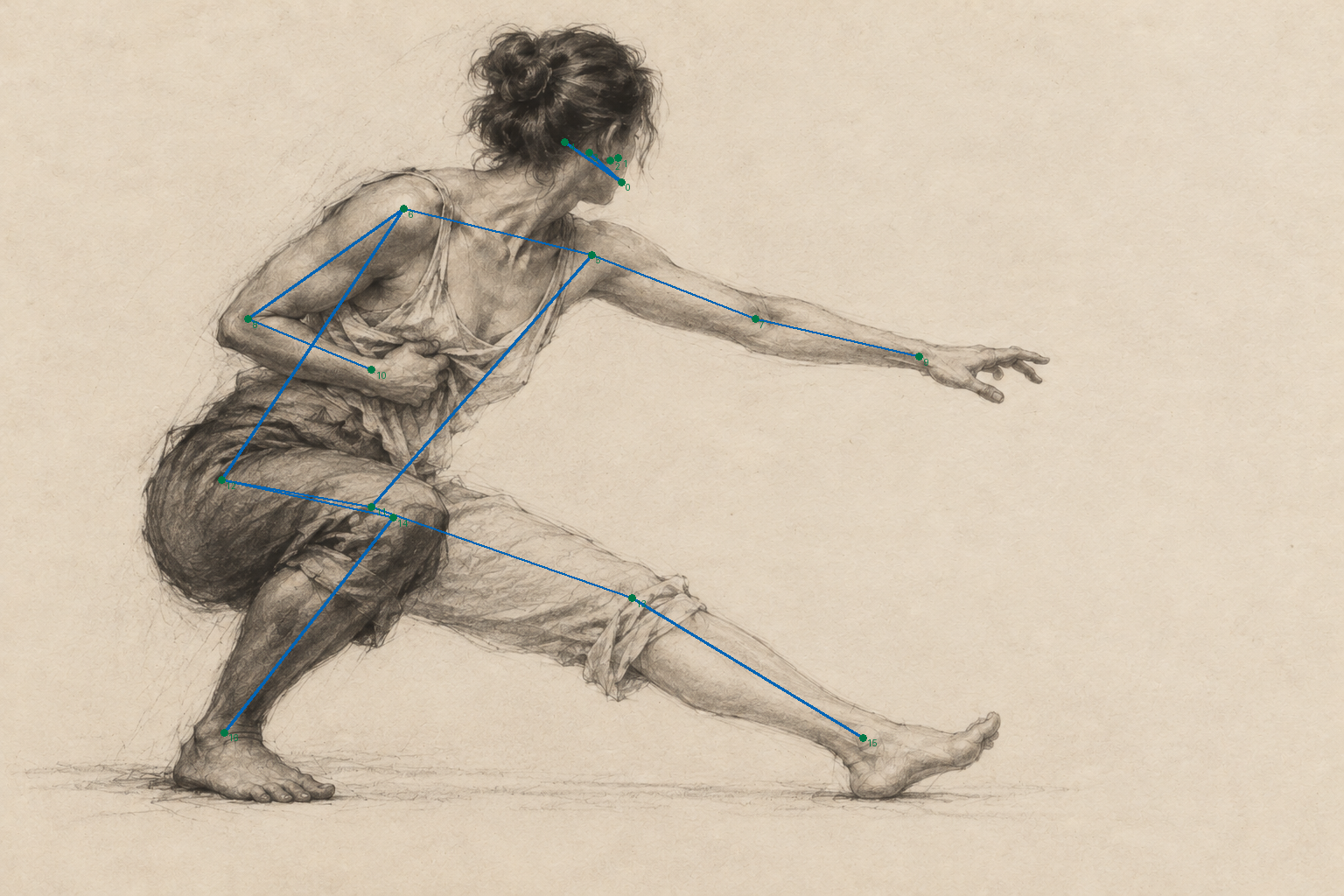
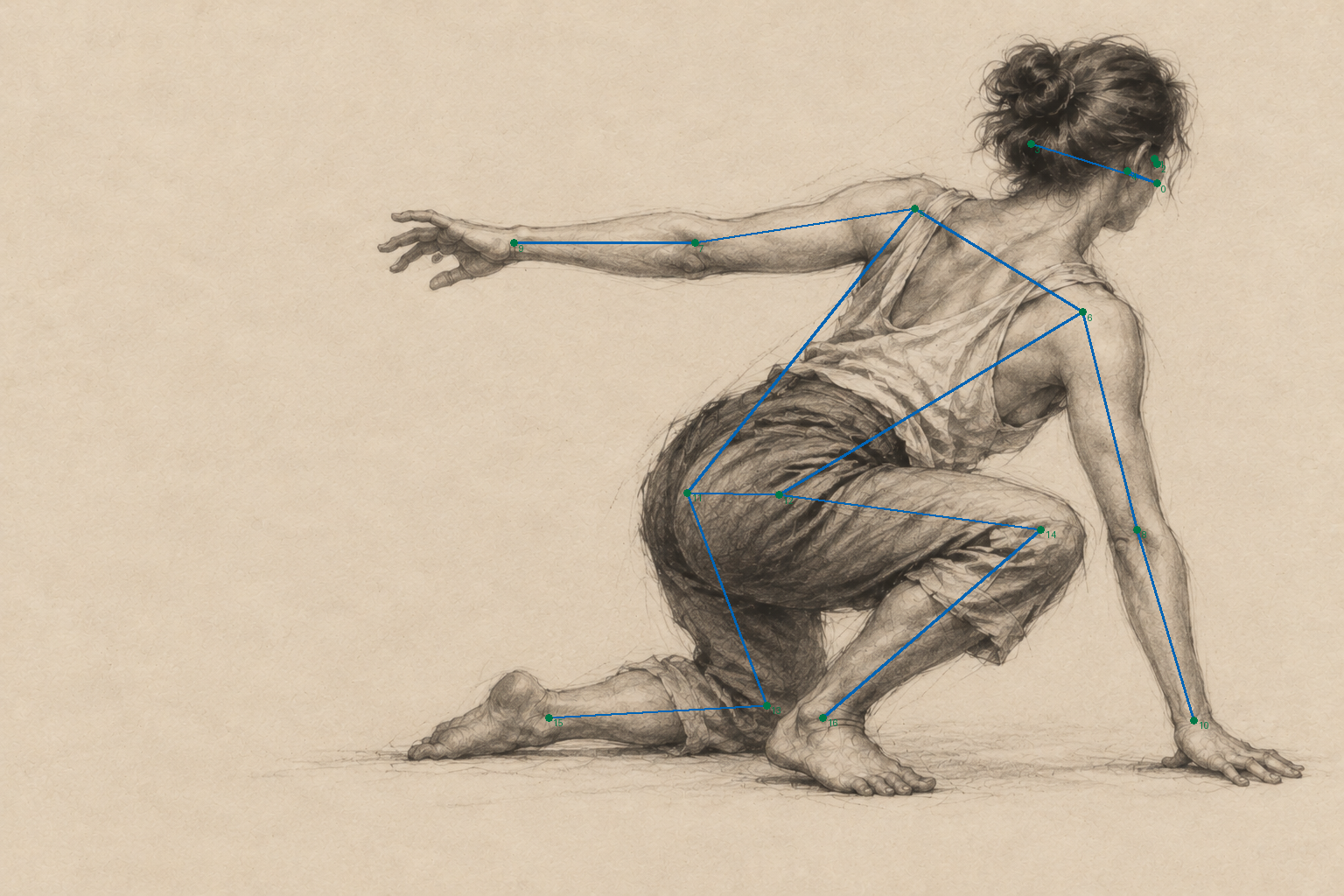
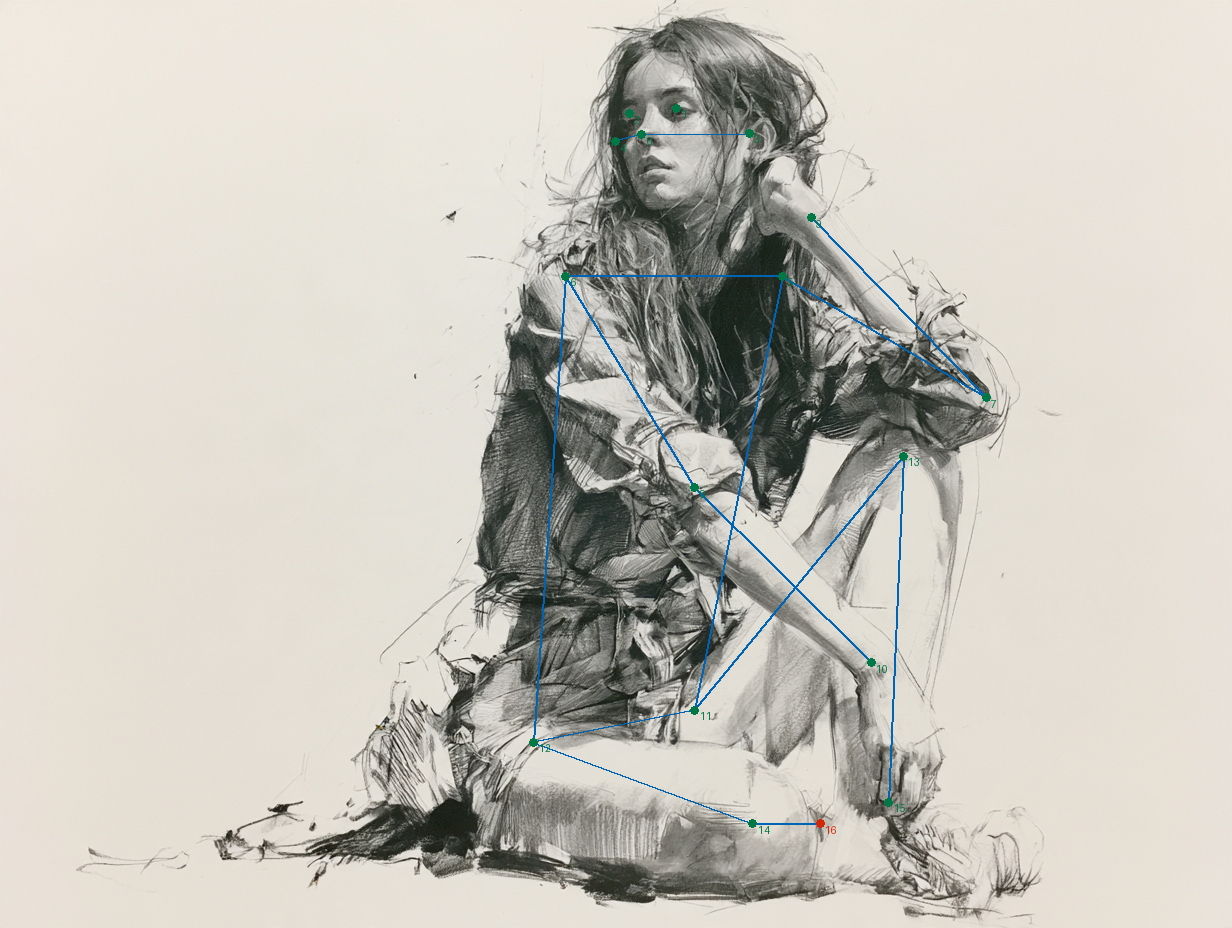
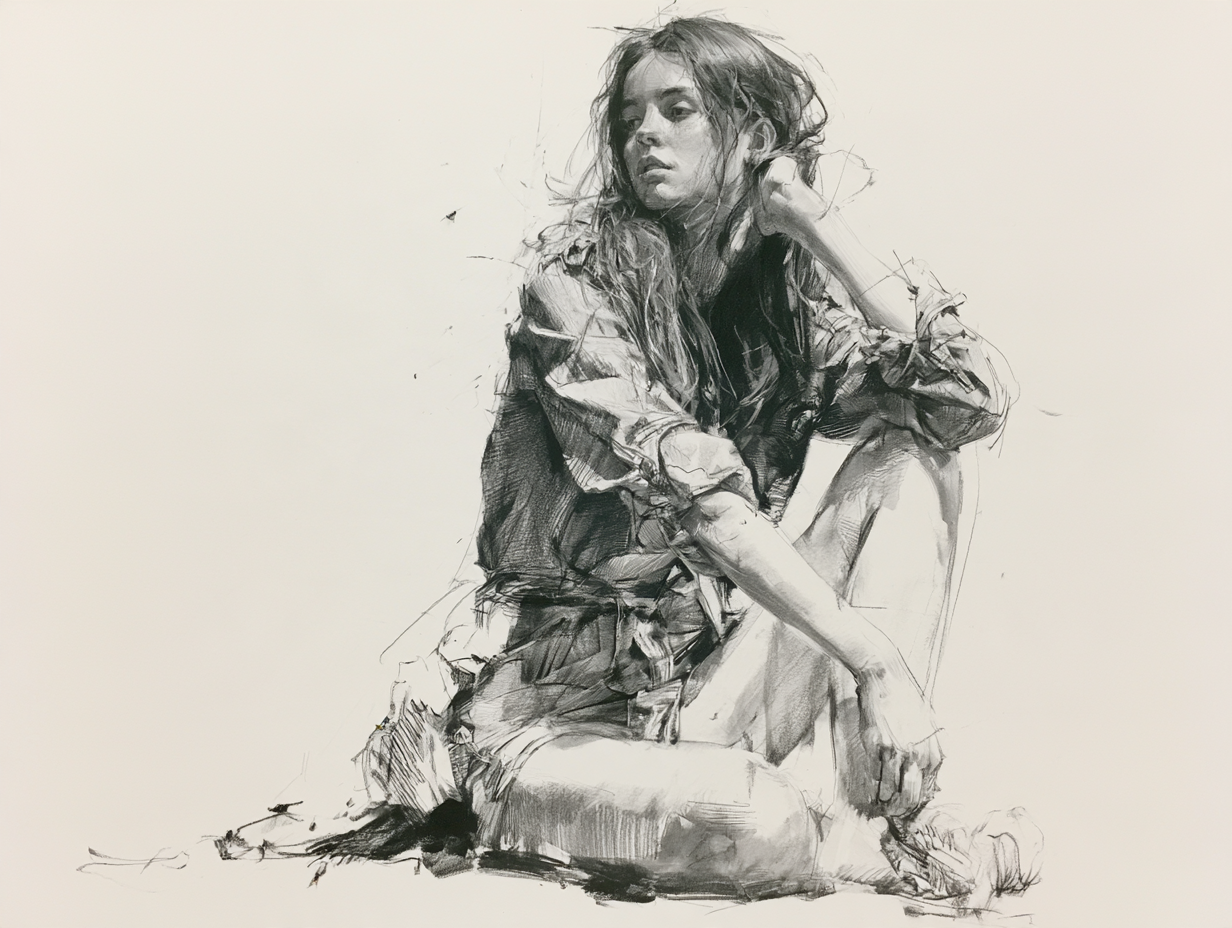
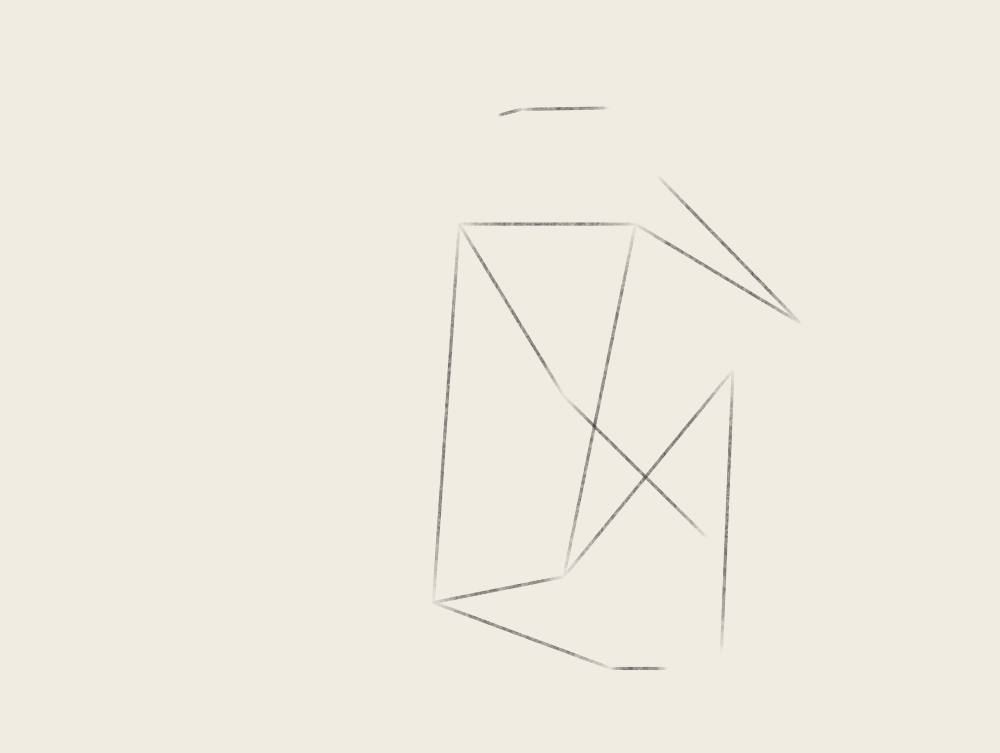
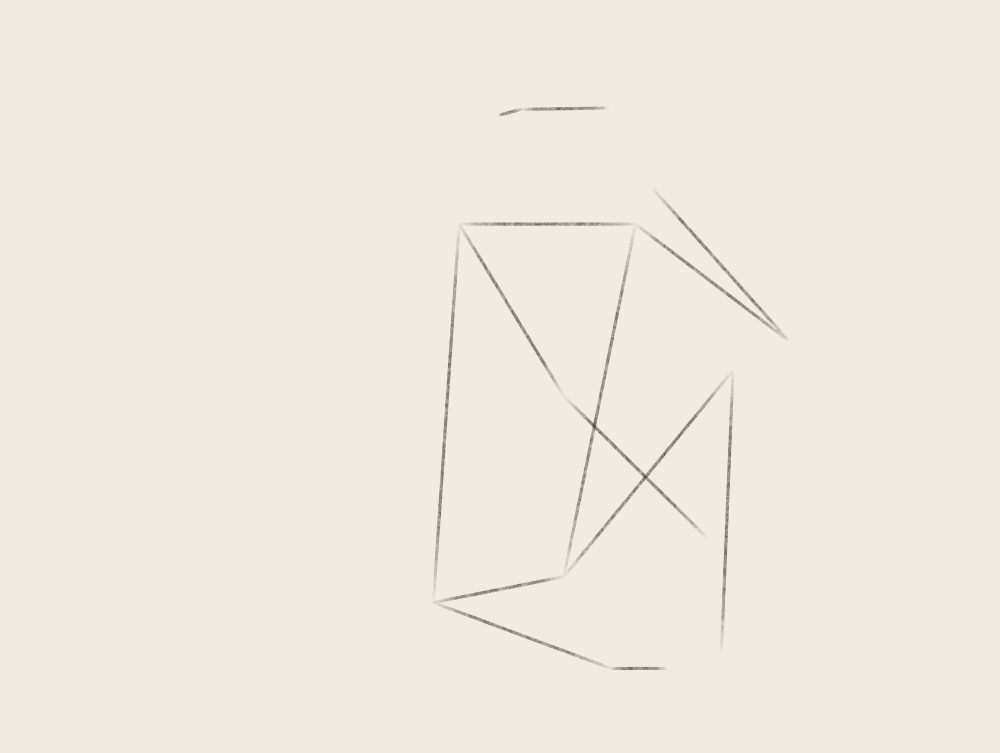
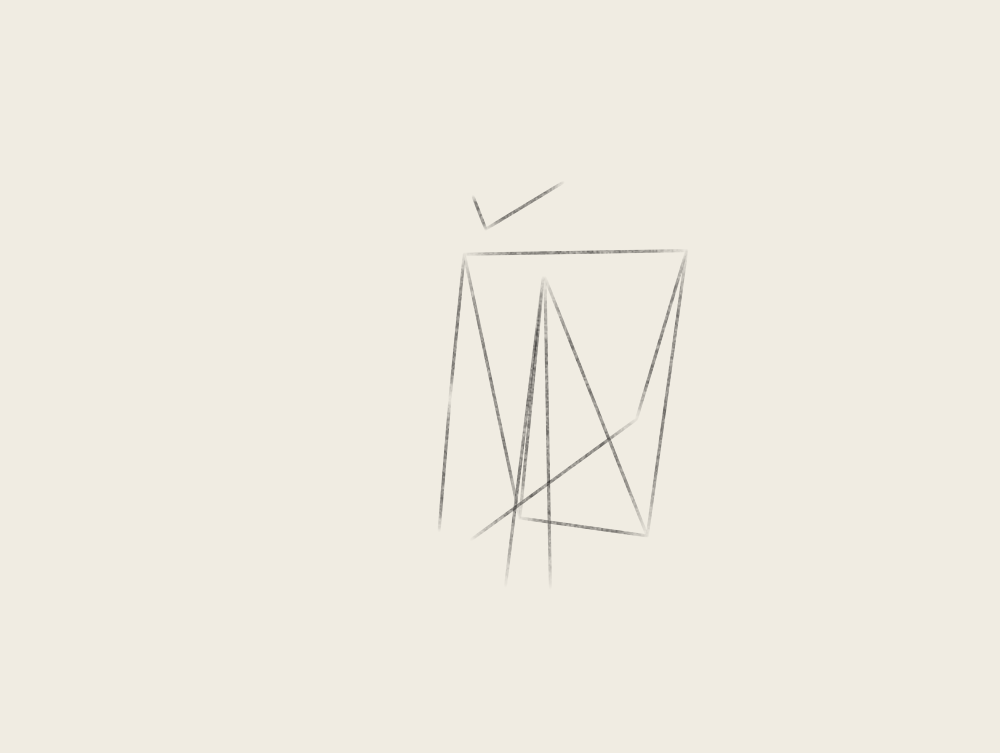
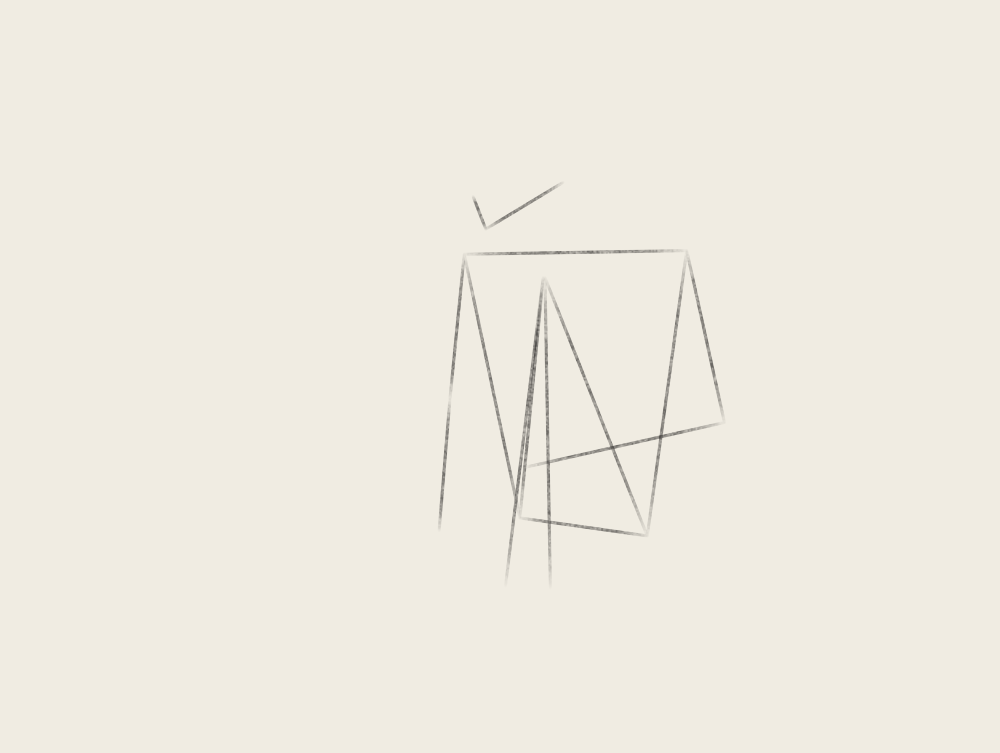
Six drawings produced an editable native scaffold without manually entered joint coordinates. One arm edit was refused. The scaffolds do not reconstruct body surfaces, hands or neck anatomy. None is presented as retained artwork.
What actually worked?
| Pipeline | Figure drawings | Nonfigure controls | Meaning |
|---|---|---|---|
| MediaPipe Full | 0 / 7 detected | 0 / 2 false detections | Returned no usable pose on this set. |
| MediaPipe Heavy | 0 / 7 detected | 0 / 2 false detections | Same result; shares the detection pipeline design. |
| HumanArt YOLOX-M + RTMPose-X | 7 / 7 detected | 0 / 2 false detections | Useful joint estimates; detection does not establish accuracy. |
MediaPipe also failed after explicit RGB conversion. Both variants detected a pose in the official photographic positive control. This supports a failure on these drawings rather than a wholly broken installation, but does not isolate every possible cause.
The set was fixed before inference. It is small, uses existing generated studies, and is not verified disjoint from model training. This is a task-specific comparison, not a claim of state-of-the-art accuracy.
How the edit works
- The detector locates a person; the pose model estimates 17 joints. If no person is found, no invented fallback skeleton is supplied.
- The adapter imports the raw coordinates with their source hash. There are no manual point corrections.
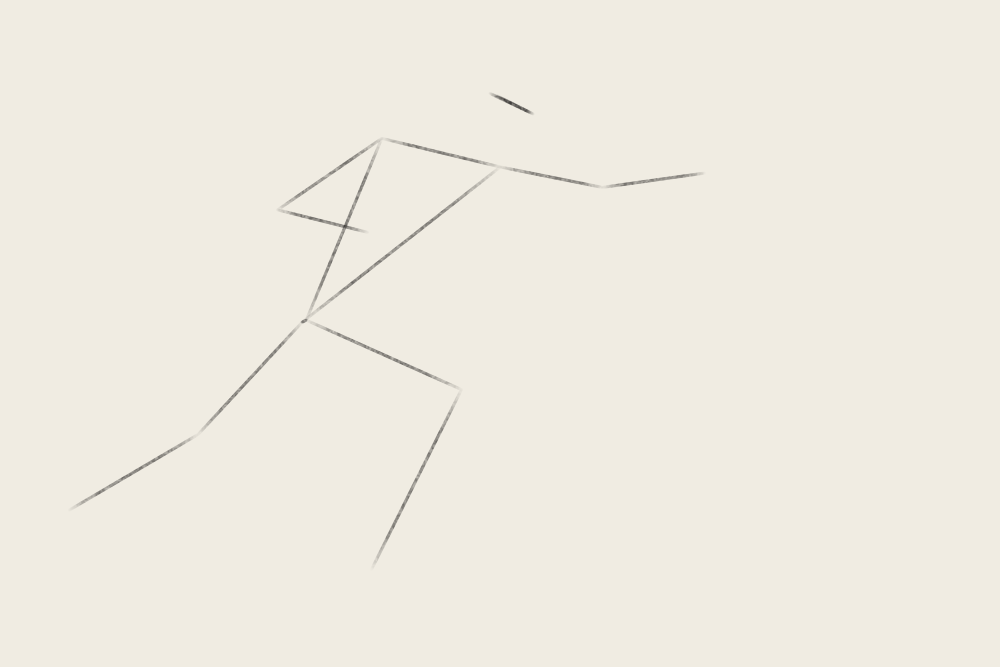
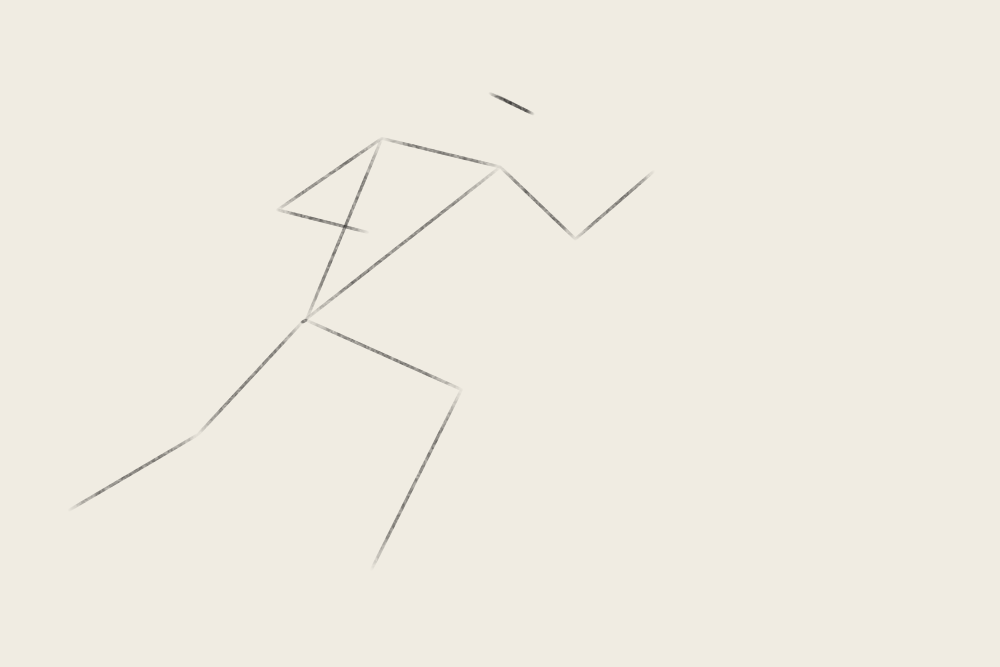
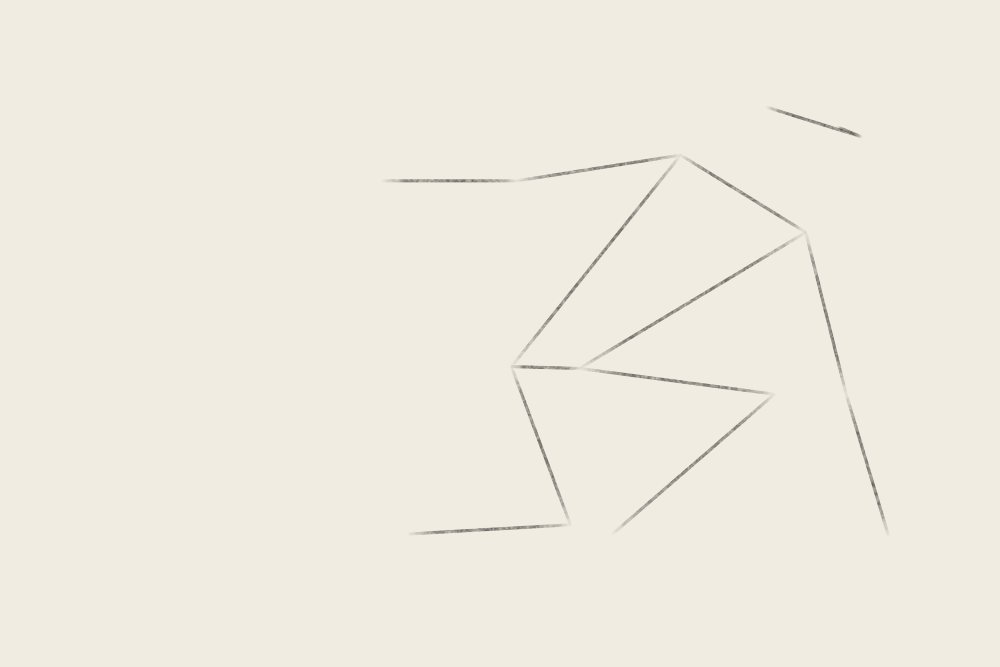
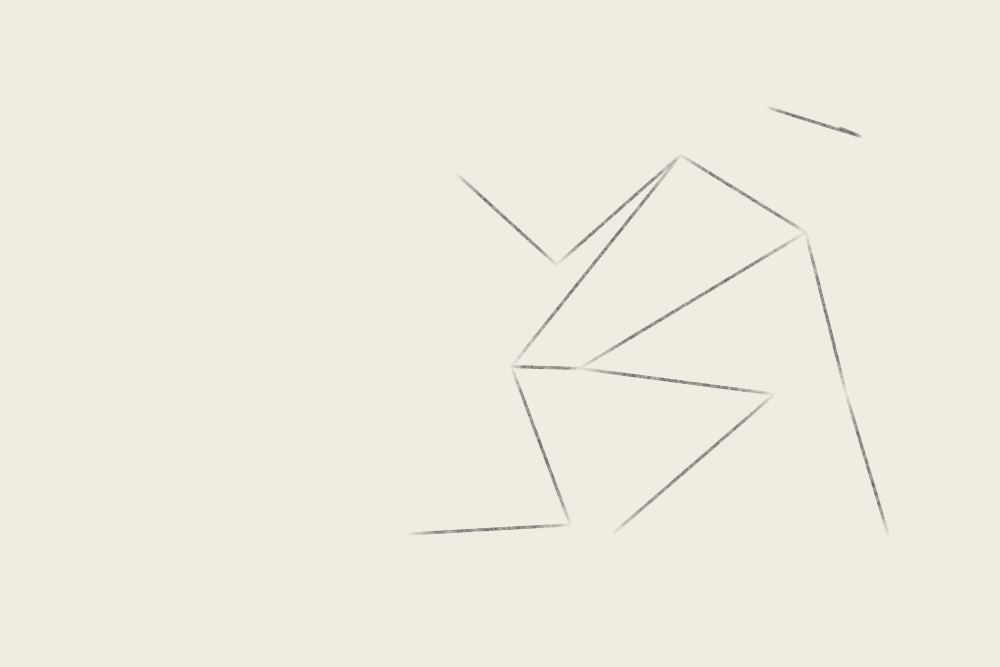
- The operator specifies a test: retract the left wrist a quarter of the way toward its shoulder. The model does not choose that artistic intention.
- A two-segment solver recomputes the elbow while retaining the original image-plane arm lengths and all other joints. The nearest elbow branch is used; this is not an anatomical prior.
- The native engine draws baseline and edited scaffolds from blank paper. It does not warp or paste the source pixels. Both command histories are replayed.
The arm score threshold of 0.65 is a development heuristic, not calibrated reliability. A passed arm gate does not approve the rest of the body. Unsupported neck edits are explicitly refused because this representation has no neck or skull model.
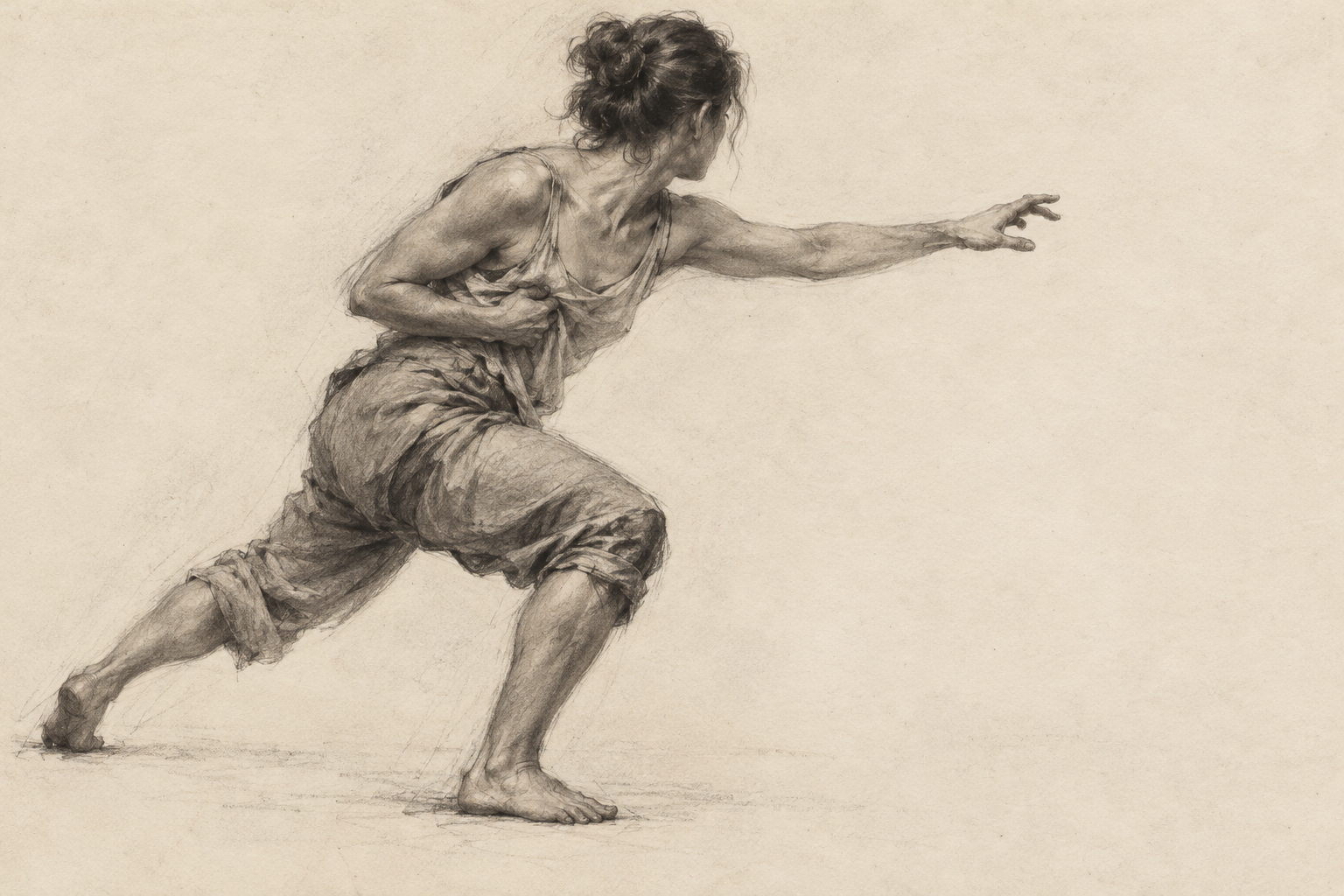
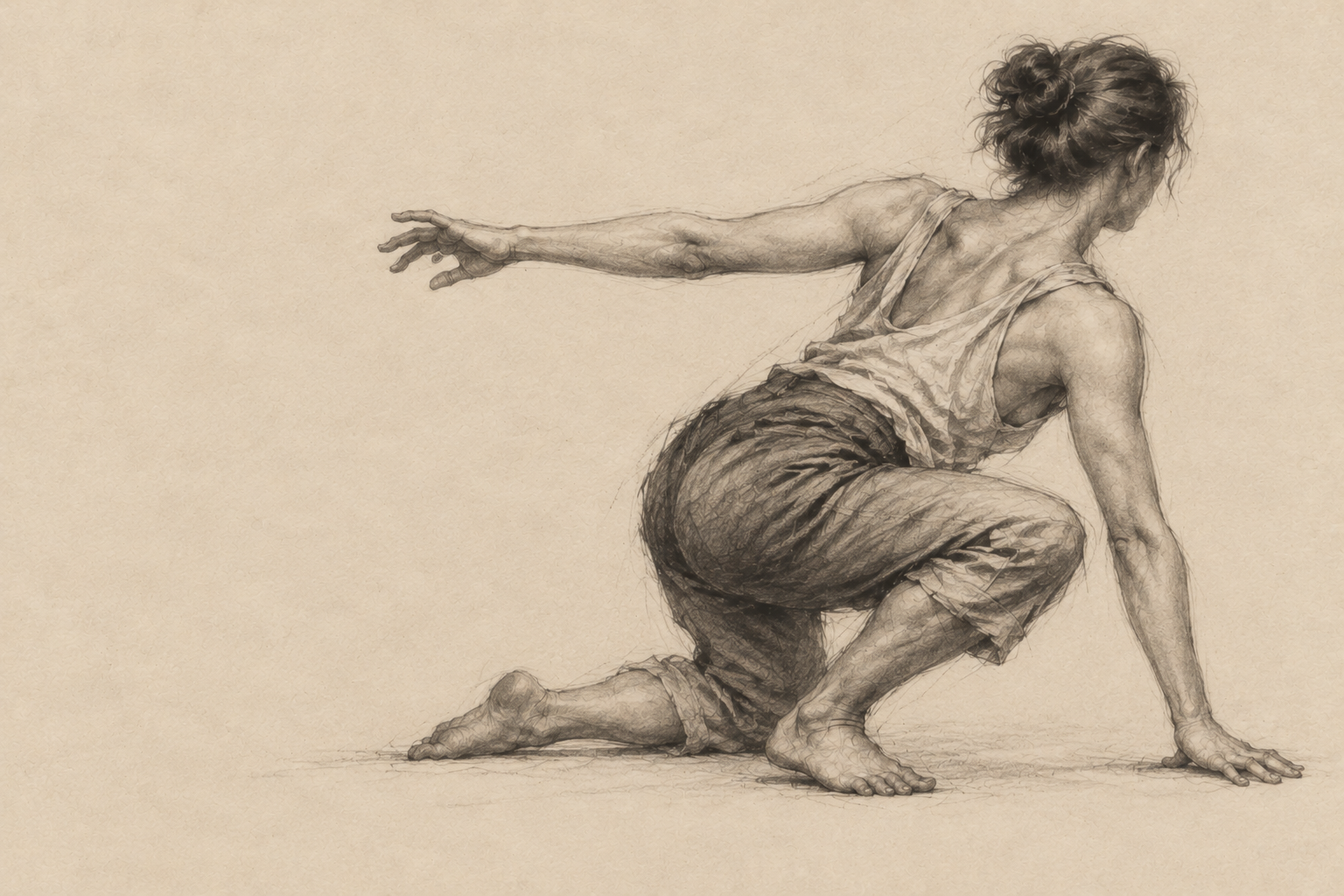
reach-01
Lowest core-joint score: 0.769 (not accuracy). The edit gate tests the left arm only.
reach-02
Lowest core-joint score: 0.817 (not accuracy). The edit gate tests the left arm only.
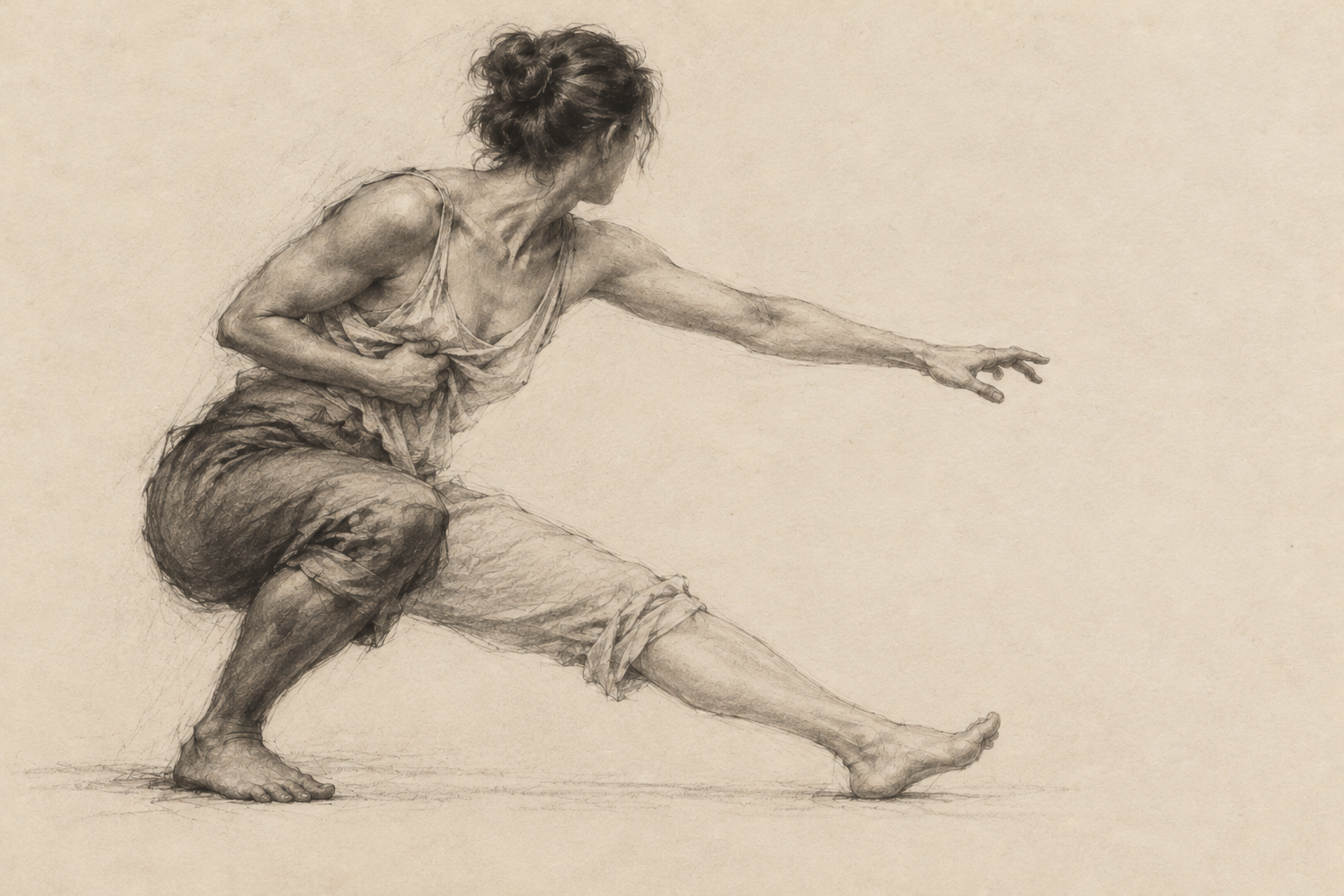
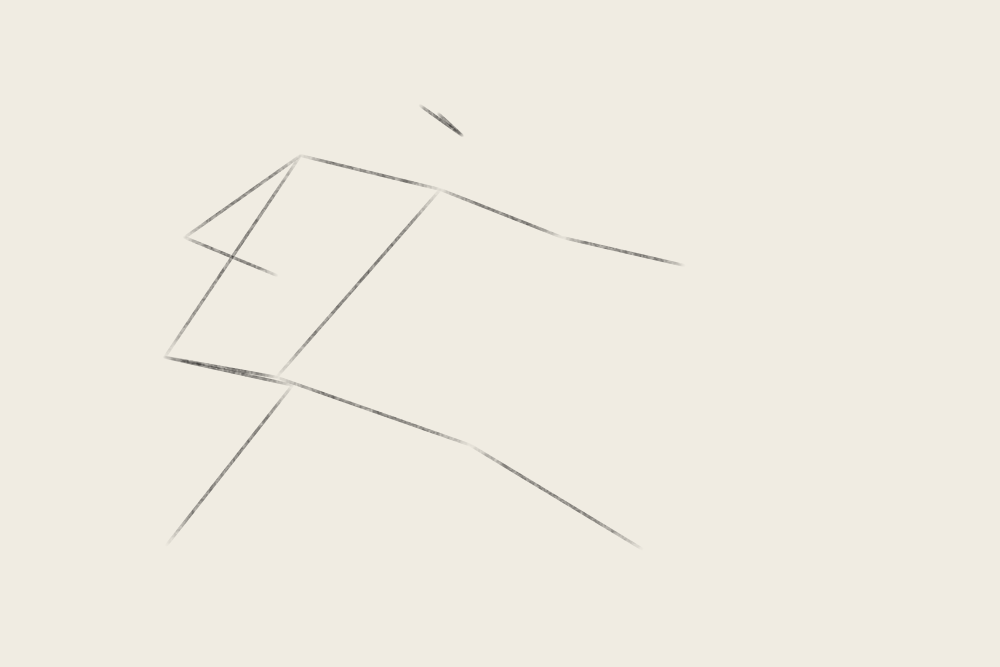
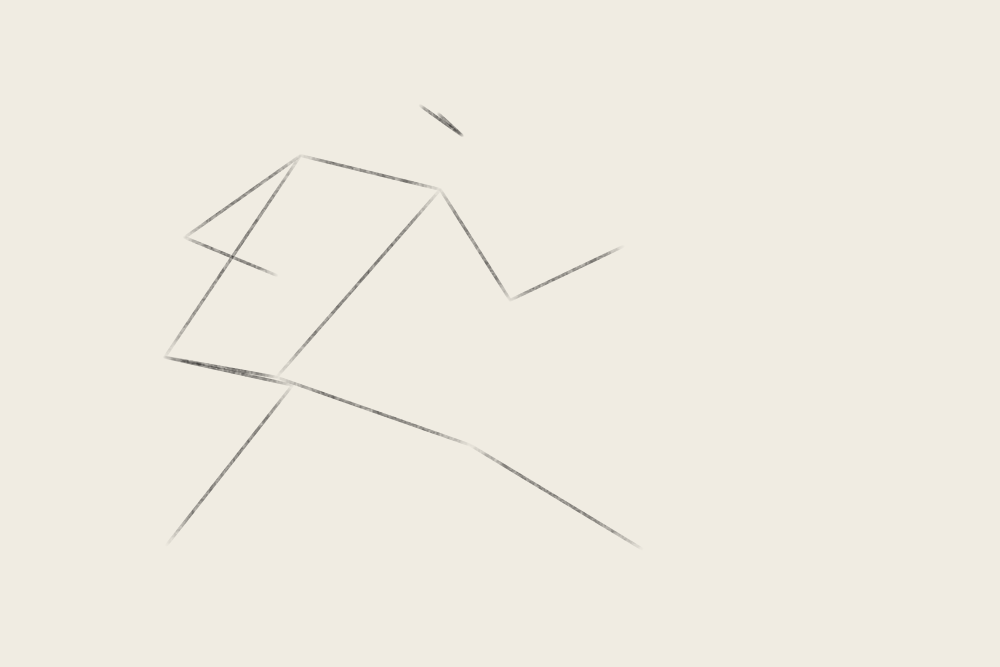
reach-03
Lowest core-joint score: 0.698 (not accuracy). The edit gate tests the left arm only.
plain-00
Lowest core-joint score: 0.482 (not accuracy). The edit gate tests the left arm only.
plain-06
Lowest core-joint score: 0.602 (not accuracy). The edit gate tests the left arm only.
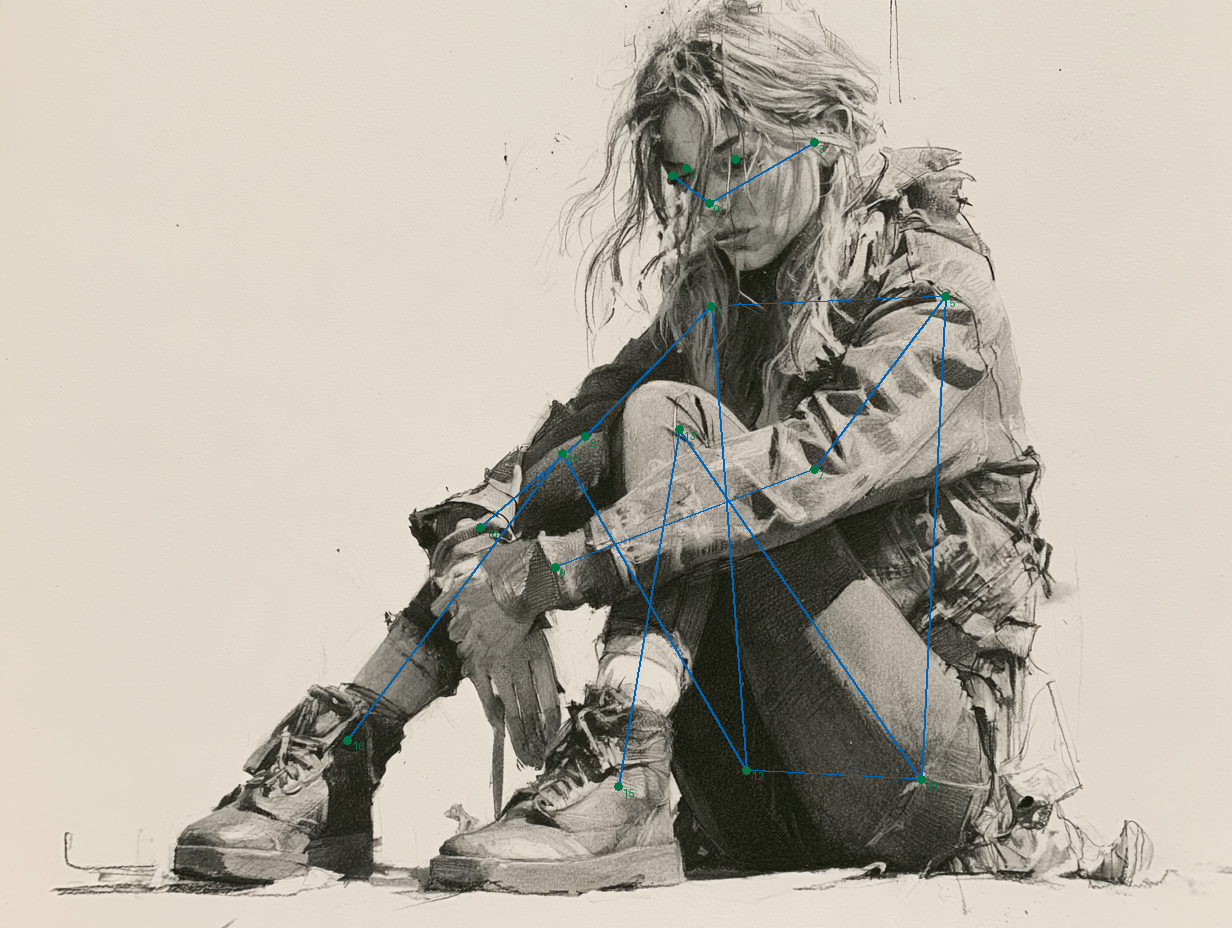
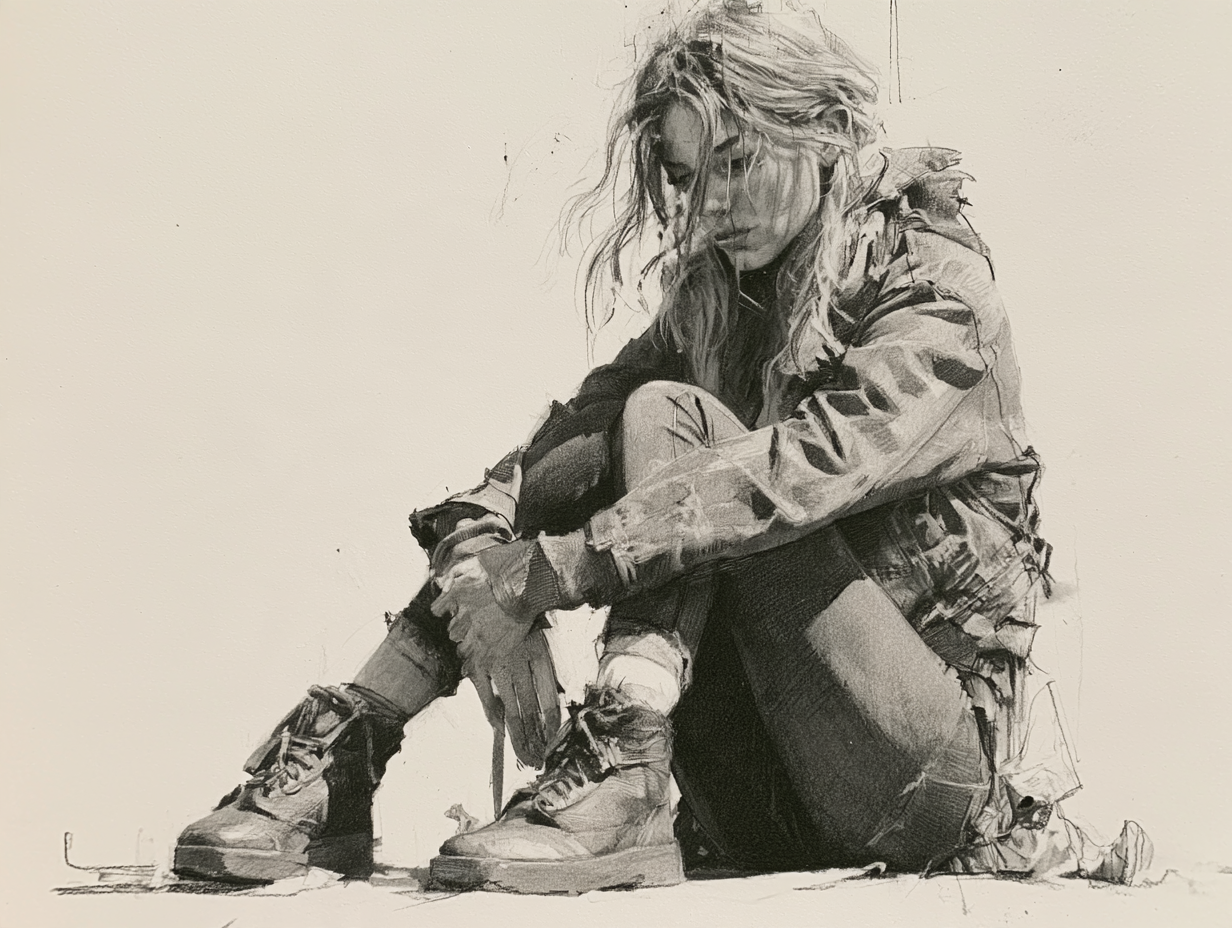
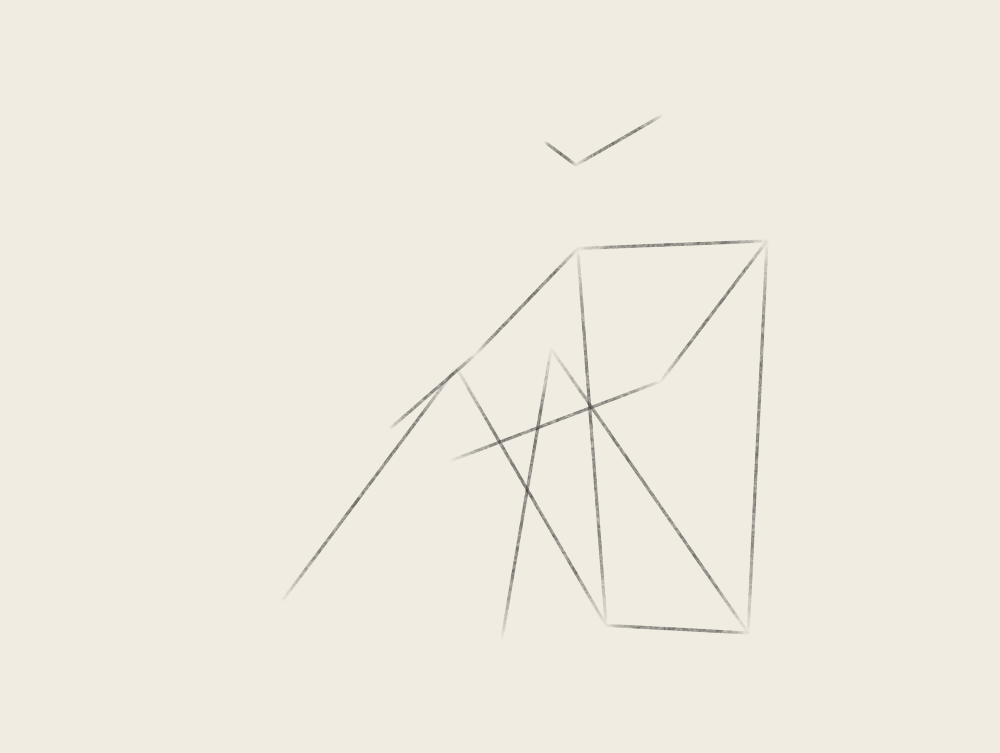
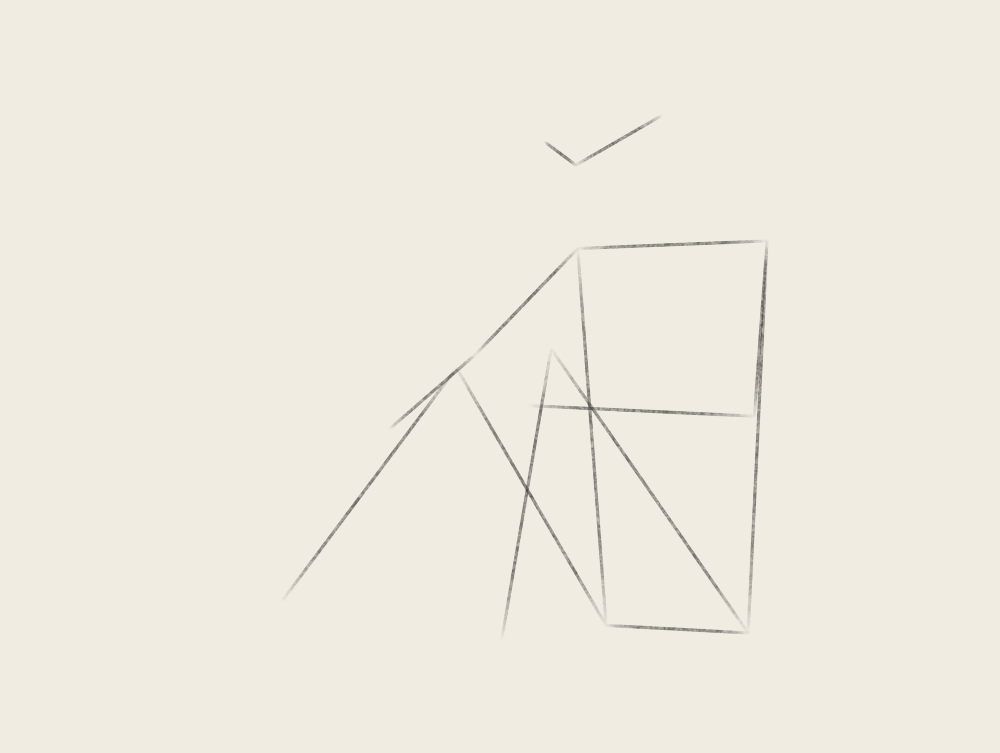
steered-00
Lowest core-joint score: 0.385 (not accuracy). The edit gate tests the left arm only.
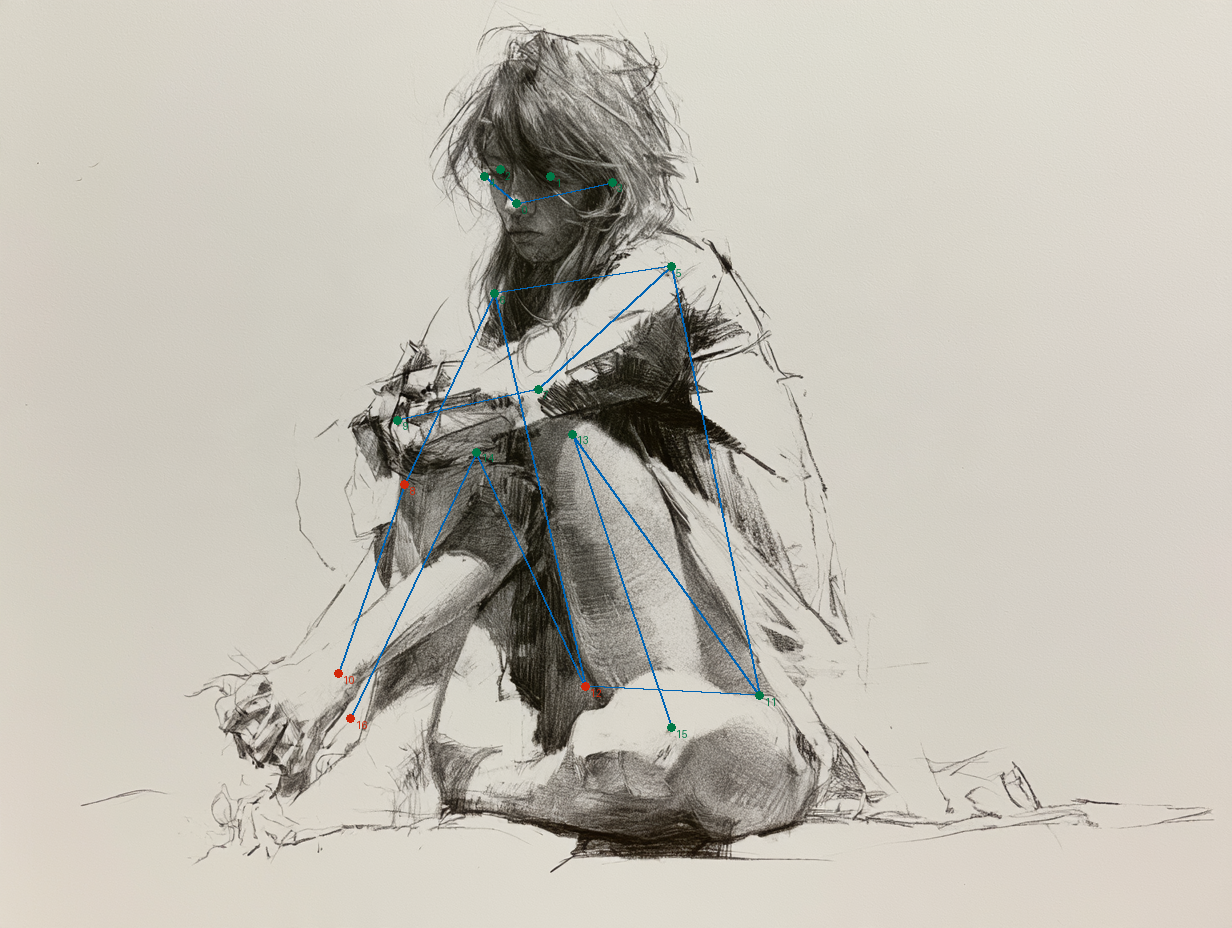
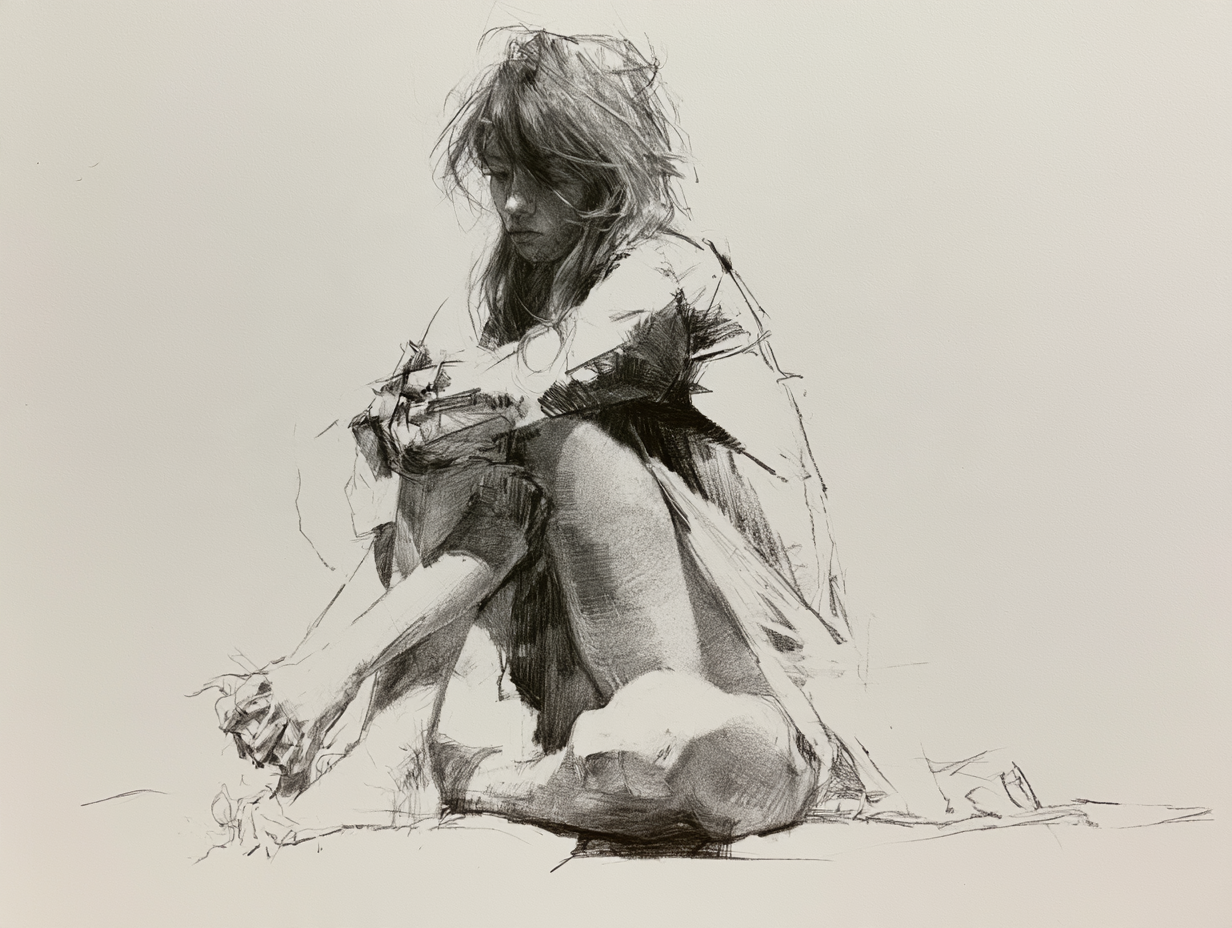
Insufficient arm landmark score
steered-06
Lowest core-joint score: 0.470 (not accuracy). The edit gate tests the left arm only.
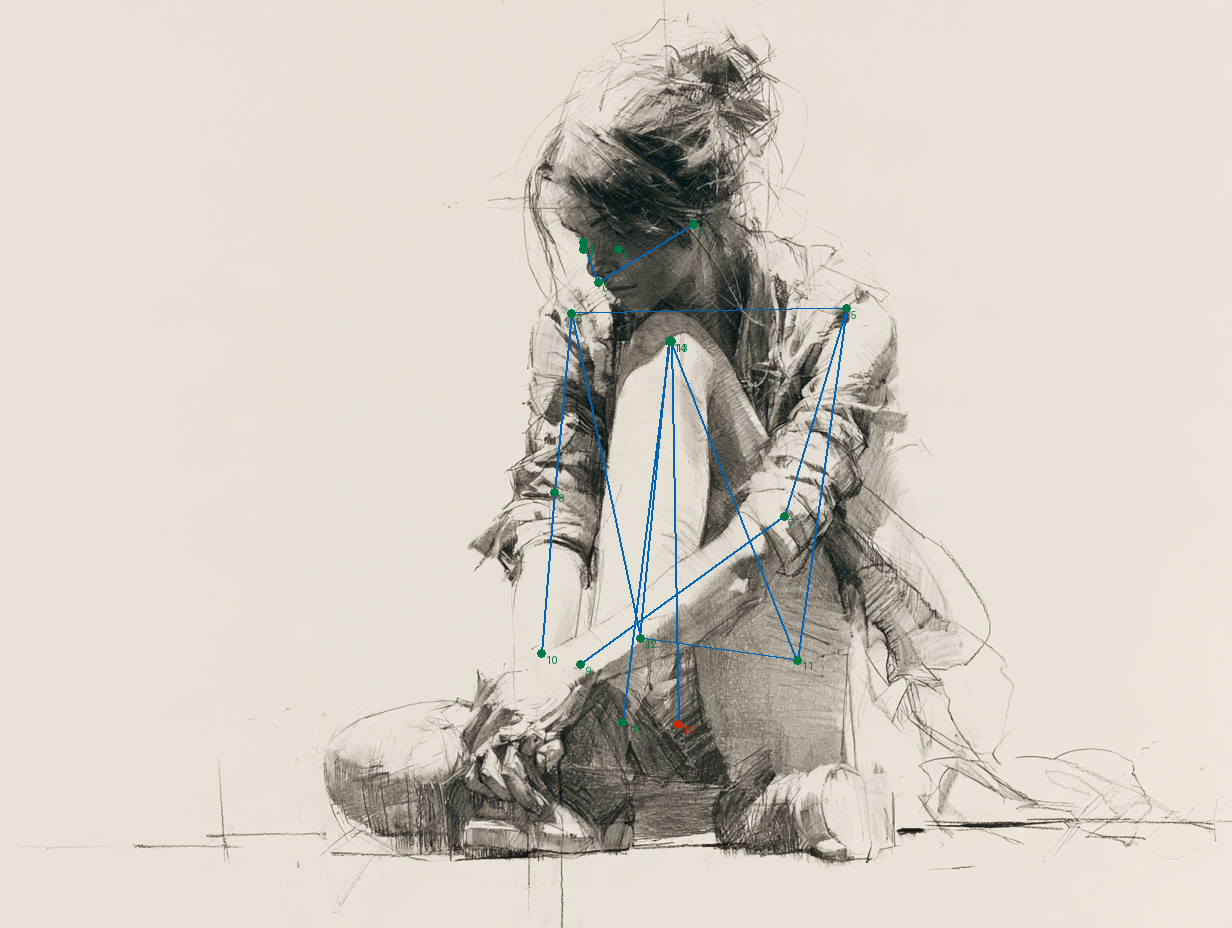
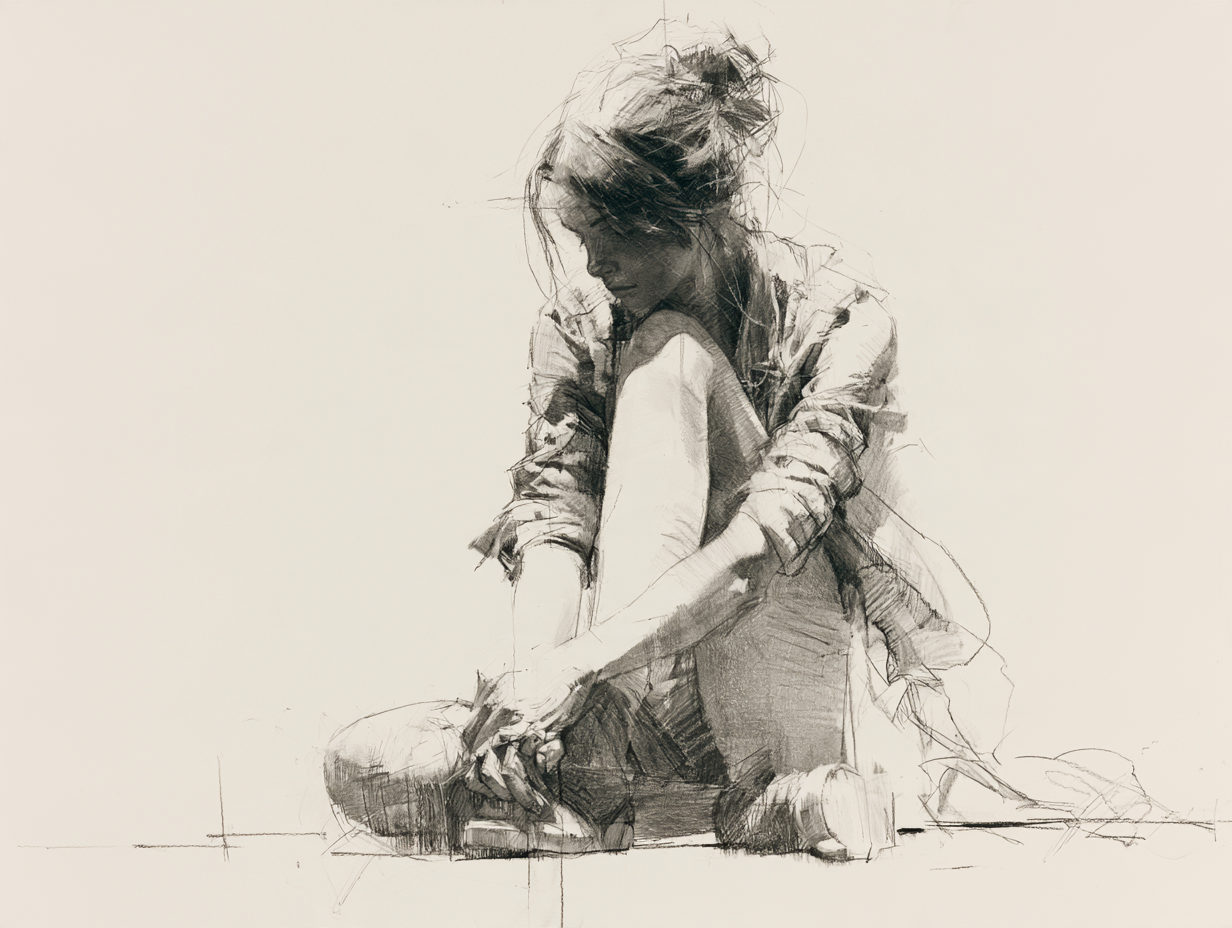
control-abstract
No person The edit gate tests the left arm only.
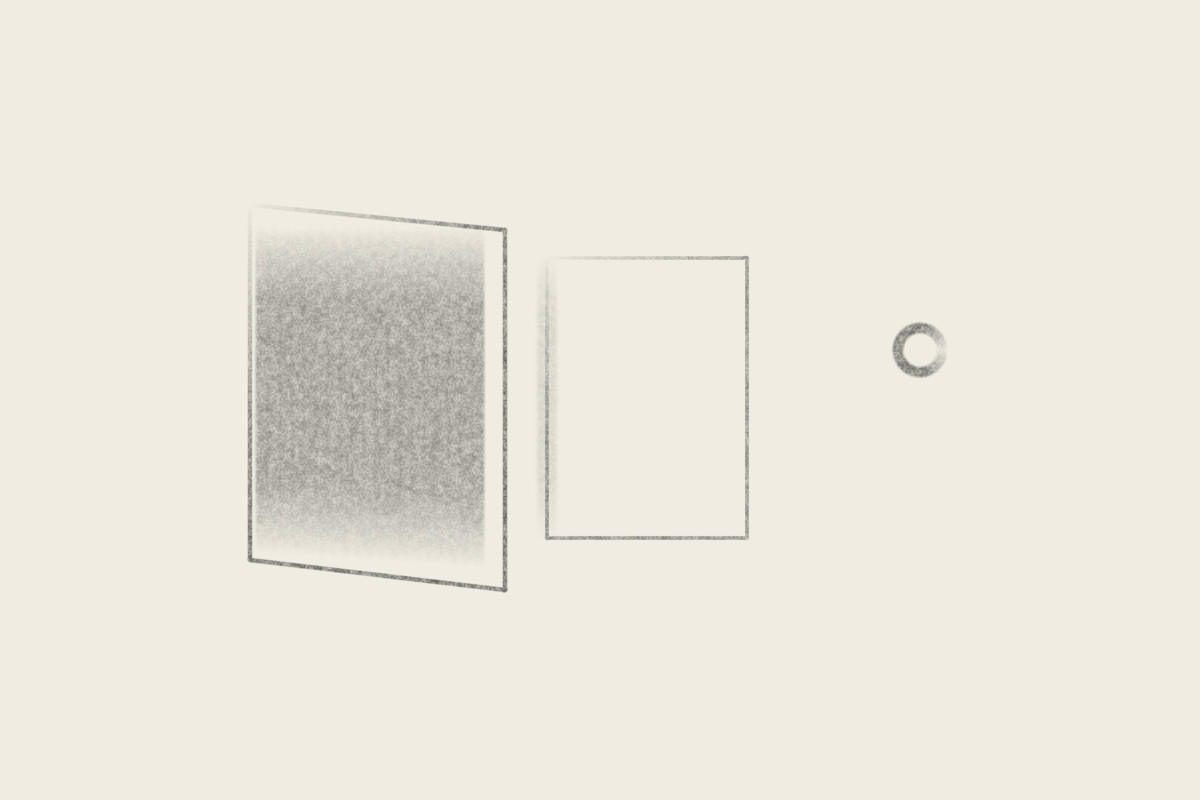
Exactly one inferred person required
control-stilllife
No person The edit gate tests the left arm only.
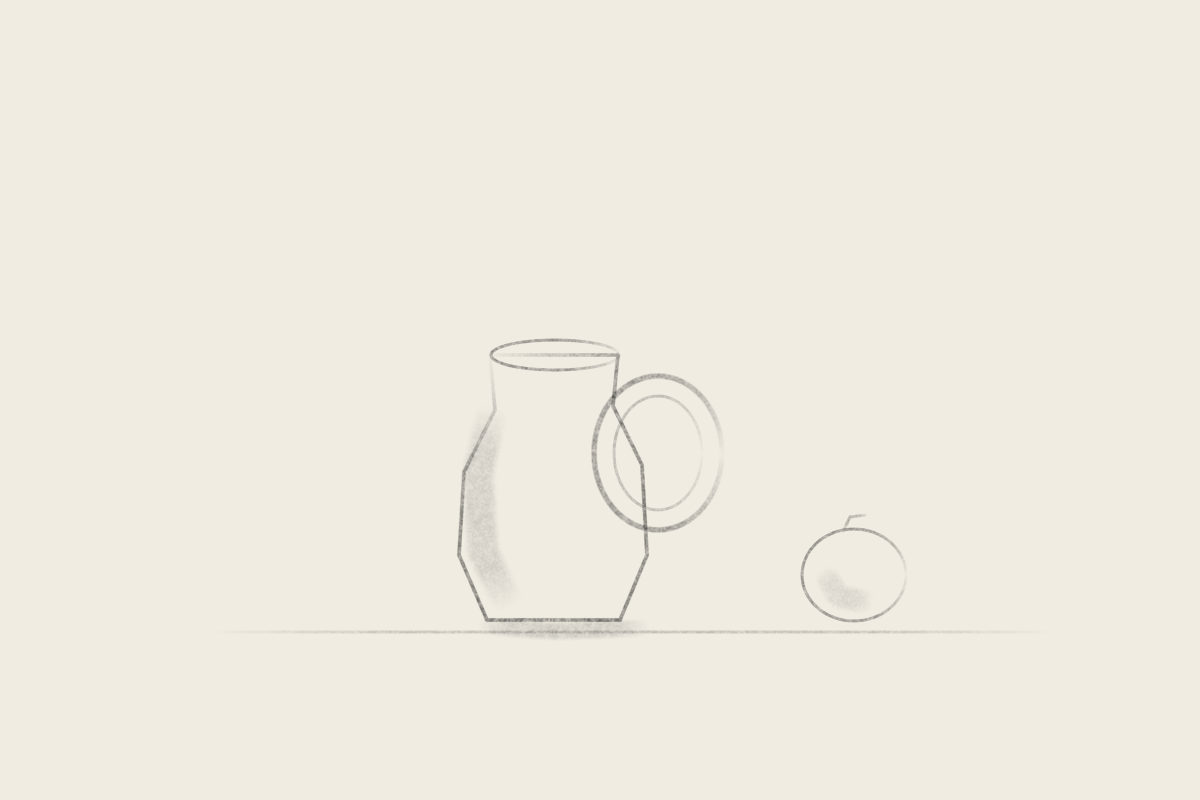
Exactly one inferred person required
What the pictures tell us
The reaching arms broadly follow the source gestures. Pelvis and occluded leg placement are less certain; the seated studies expose ambiguity around overlapping limbs. Face points on a back-facing head do not establish skull orientation. A high model score can still accompany a wrong interpretation.
This is the assistant’s visual assessment, not an independent critic or anatomical ground-truth study. The edit checks establish geometry and replay only. There is no measured perceptual or artistic improvement.
Where this changes the build
Retain the inferred-joint adapter as a research component. Do not use it alone to repair the painting. We no longer need to hand-author every joint to obtain a scaffold. But a scaffold cannot supply the volume and connected surfaces that a convincing revision needs.
The next substantial gate is a volumetric body fit with camera, pose and connected head/neck, evaluated on consequential edits. SAM 3D Body is a richer candidate; its checkpoints require authorized gated access and were not acquired or tested here. Artistic planning and mark selection remain separate problems.
For still life and abstraction, the previous authored models remain demonstrations. This figure-specific inference run does not establish general visual understanding.
Sources and reproducibility
MediaPipe documentation · RTMLib · RTMPose
All model inference ran locally on CPU. No new image generation, external upload, paid model call or cloud training. Model weights and environment are excluded from the microsite archive. Existing image provenance and rights are unchanged.